Disposable gloves were designed for single use, after that fact set in. Facilities create pallets of PPE Gloves every week, and most of them head straight to landfill or incineration. On the other hand, spending plans tighten, sustainability goals impend, and groups request far better solutions that still shield employees. Safe, verified glove cleaning methods can turn those waste streams into reputable feedstock for PPE gloves recycling and, sometimes, back into multiple-use gloves for controlled applications. Succeeded, this secures individuals initially and also supports a reliable round economy model.
This guide makes use of the lessons that matter on the ground: what makes a glove tidy enough for recycling or reuse, exactly how to avoid cross-contamination, where to set pass or stop working requirements, and how to line up procedures with compliance, high quality, and Environmental obligation. It also touches on functional devices like an ROI calculator and program data, so you can protect the business situation without jeopardizing safety.
Why glove cleansing is non‑negotiable
Two dangers define this work. First, recurring dangers on utilized PPE can damage team at collection, transportation, or sorting. Second, pollutants that travel with handwear covers can poisonous substance a reusing batch or destroy a reprocessing line. When a single set of nitrile gloves lugs solvent deposits, metal penalties, or biological material right into a shredder, you risk destructive equipment or breaking down the recycled polymer's quality. For instance, a drum cpu I worked with needed to discard virtually a ton of shredded nitrile because unvetted laboratory handwear covers presented silicone oils. The material would certainly not bond in extrusion and created pitted pellets. That was a five‑figure lesson.
Cleaning methods develop a tight gateway between previously owned gloves and shared framework. They also help isolate handwear covers that must never ever be recycled right into thaw streams, steering them right into much safer end‑of‑life routes.
Segmentation prior to cleaning
You can not clean mayhem. The solitary most effective step is partition at the point of use. If you sort by product, contamination risk, and application prior to collection, your cleansing operations ends up being predictable and much safer. In a big lab network, we used three streams: low‑risk nitrile from administrative and product packaging tasks, medium‑risk nitrile from basic laboratory benches, and high‑risk or biohazard gloves. Only the first two streams ever before got in the glove cleaning process.
Several sensible pens aid:
- Material quality: nitrile, latex, neoprene, and PVC act differently throughout cleaning and recycling. Nitrile typically uses the most effective balance of mechanical stamina and constant downstream markets. Cross‑material lots make complex both cleaning chemistry and melt high quality, so keep them separate. Hazard class: if handwear covers contact bloodborne pathogens, cytotoxic drugs, select representatives, or regulated hazardous waste, they call for certified decontamination that commonly excludes them from traditional recycling. Several programs course these to high-temperature therapy as opposed to polymer recovery. Visual deposits: gross contamination with adhesives, uncured epoxies, hefty oils, or steel turnings seldom cleans up to an acceptable standard. These should be filtered out early. Color and dye: pigments can affect recycled resin shade and performance. Color sorting enhances outcome quality and resale value. Powdered vs. powder‑free: powders trap particulates and chemicals, elevating clean problem. If your center still supplies powdered gloves, think about phasing them bent on simplify cleaning.
With crisp segregation, cleansing comes to be a made procedure as opposed to a salvage mission.
Defining "clean" for PPE gloves recycling
Cleaning targets must straighten with regulative commitments and the resistance of your downstream process. The definition of "tidy" shifts relying on whether the outcome is reused pellets for molded items, reprocessed handwear covers for low‑risk jobs, or simply sterilized waste to shield handlers.
Three dimensions direct acceptance:
Residue chemistry. Develop target limits for usual contaminants: oils, surfactants, alcohols, silicones, and metal particulates. Clean extraction examinations and GC‑MS or FTIR test can validate that residues are below the limits your recycler or reprocessor specifies. In technique, several programs target nondetect for silicones and keep total hydrocarbons reduced sufficient to pass a liquid bead test on pellet surfaces.
Bioburden. If gloves originated from food, pharma, or scientific settings, bioburden issues. You will not aim for sterility unless the result is sterile reuse, yet you might set CFU/gram limitations. I have actually seen convenient targets of fewer than 100 CFU/gram on depictive samples, with lack of indication microorganisms. If you mean only mechanical recycling, bioburden can be managed by sanitizer steps and drying parameters without sterilized packaging.
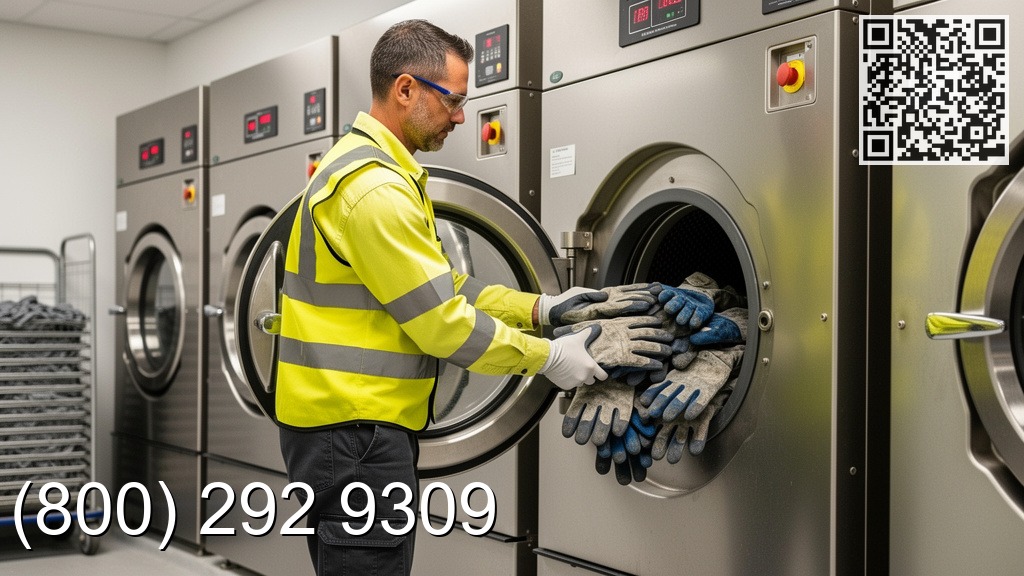
Particulate load. Embedded solids cause troubles in shredders and extruders. Filter examinations on clean water and aesthetic evaluation under light boxes assist. Specify appropriate scrape and tear prices as a proxy for grit exposure.
Your agreement with the recycler have to define these specifications. Libra PPE Recycling and similar operators often release acceptance requirements for various handwear cover types. Request that data and reverse‑engineer your cleaning plan to strike those marks consistently.
Core components of a handwear cover cleaning protocol
The best methods look easy theoretically and exacting in method. They include controlled time, temperature level, chemistry, and movement, with sufficient tracking to capture drift.
Pre evaluation and pre‑sort. Educated team remove any type of undoubtedly noncompliant gloves and unconnected products. A turning light table aids spot deposits. Operators use fresh PPE and adhere to Cross‑contamination prevention policies that maintain inbound products from touching cleaned bins.
Dry shake and bag decant. Loosen and eliminate complimentary particulates before any wet actions. A mild tumble in a perforated drum or a low‑airflow closet reduces the solids lots in wash water.
Aqueous wash. The majority of nitrile gloves tolerate warm water with a neutral to moderate alkaline cleaner. Normal parameters: 35 to 45 C, 10 to 20 mins, with a nonionic surfactant that brings an NSF or comparable safety and security score. Frustration must be enough to transform handwear covers over without extending cuffs. Prevent high pH or oxidizers that embrittle nitrile. Latex is even more sensitive and take advantage of cooler cycles.
Rinse and neutralization. 2 rinses usually suffice for low‑risk tons. For medium‑risk, add a third rinse or a short sanitizer dip. If you make use of a quaternary ammonium substance or peracetic acid, confirm residue levels on post‑wash water and occasional glove extracts.

Drying. Water caught in fingers breeds germs and spoils metrics. Use required air at 40 to 60 C until dampness web content stabilizes. In practice, that takes 45 to 90 minutes relying on load density. Do not go beyond temperature levels that distort glove geometry.
Post clean evaluation. Draw arbitrary examples. Check for tackiness, odor, and noticeable residues. Gently stretch cuffs; embrittled material breaks sharply. Videotape pass prices and maintain samples for pattern analysis.
Packaging. Bag cleaned handwear covers by batch with tamper‑evident seals and clear labels. Usage shade coding that maps to material and danger class. Secured bags relocate to a quarantine rack up until lab examinations clear them if your protocol needs it.
A program run by doing this for 6 months at a medical device plant reduced denied product from 18 percent to under 4 percent and cut clean water use by almost a third after we tuned agitation and surfactant levels.
Cross contamination avoidance that really works
A protocol lives or passes away on the small behaviors of the team. I have actually seen spotless SOPs reversed by a solitary rolling cart that shuttles both dirty and clean bags. Layout and self-control are the cure.
Map unclean and tidy areas with physical barriers. Drapes and strip doors are cheap and reliable. Establish area air flows so clean areas hold slight positive stress. Usage unique carts, containers, and color‑coded devices for each and every zone. Appoint handwashing and glove adjustments at every change point. Maintain extra fits and foot treatments in both zones to inhibit brief cuts.
Time partition assists too. If area is restricted, run the dirtiest loads in discrete blocks, after that tidy and reset the location prior to changing to lower risk materials. This lowers subordinate carryover on floorings and equipment.
Labeling ought to be boringly noticeable. In one center, we printed huge letters on container covers, after that added colored zip ties to manages, then put the very same color tags at entrances. That triple redundancy cut misroutes to nearly zero.
Finally, treat data and audits as part of health. If a glove set falls short inspection at the end, look backward and discover the leak. Was it an operator adjustment, a sanitizer scarcity, or a mixed tons at intake? Close the loophole that day, not next quarter.
Chemistry without regrets
The most affordable degreaser can appear to work, then haunt you later. Cleaning agent option issues for employee safety, material honesty, and downstream recyclability. A few guidelines keep you out of difficulty:
Favor nonionic surfactants with low deposit accounts. Avoid silicones, waxes, and hefty scents. If a cleaner leaves a shine on stainless-steel, it might leave a movie on gloves that hinders pellet formation.
Mind pH. Prolonged direct exposure above pH 10 can damage nitrile. Brief bursts are in some cases great for sticky tons, yet test after. For latex, remain nearer neutral.
Skip chlorine bleach. It is extreme on polymers and rusts equipment. Peracetic acid is commonly utilized as a sanitizer due to the fact that it breaks down right into acetic acid and oxygen, yet ventilate well to manage odor and operator exposure.
Consider closed‑loop water. Rinse water can be filtered and reused for the next wash cycle as long as you keep conductance and turbidity restrictions. This conserves cash and supports Environmental responsibility objectives. Track chemistry very closely, and remove the loop when metrics drift.
Work with your recycler. Libra PPE Recycling and others can advise on which deposit markers usually trigger downstream concerns. Develop your water and detergent screening around those markers.
Validation you can defend
Auditors and EHS teams rarely accept "looks clean" as evidence. A defensible method counts on a mix of quantitative and qualitative checks.
Create a sampling plan linked to set dimension. For small batches under 50 kilos, pull at least 5 pairs at random. For larger sets, make use of a statistically sensible portion, for instance 1 percent with a minimum of 10 samples. Revolve tasting points within the washing machine and dryer to capture circulation issues.
Use quick tests routinely and lab examinations periodically. Quick tests include ATP swabs for organic deposit, contact plates on glove surfaces, and solvent wipes assessed with mobile FTIR for silicone or hydrocarbon trademarks. Lab tests, scheduled once a week or monthly, give the support: GC‑MS for residue profiles and culture‑based bioburden counts.
Document lot ancestry. Each bag of cleaned up gloves ought to link back to a consumption date, source location, wash dish, operator, and devices ID. When a lot stops working, you wish to isolate the cause promptly and adjust.
Set hard criteria in advance. For example, no noticeable silicone by FTIR in the experienced wipes, complete ATP listed below a specified RLU threshold that associates with your lab's CFU data, and a tensile test that reveals less than a defined portion drop from standard for nitrile examples. Your numbers will vary by utilize case, but the pattern holds.
Make your corrective activities visible. A short, outdated log of problems and solutions does wonders. When somebody asks exactly how you recognize the process is in control, you can show a route of tiny, fixed issues as opposed to an empty sheet.
When cleaning enables reuse, not only recycling
Some operations tidy gloves for reuse in defined low‑risk duties, then recycle them at the end. This demands tighter control but can unlock genuine cost savings. The trick is to match glove efficiency after cleaning up to the task.
I have seen packaging groups successfully reuse nitrile handwear covers for brief, completely dry tasks like container assembly, labeling, and pallet stretch wrapping. Recycle never ever reached damp chemistry, solvent handling, or sterilized job. We restricted reuse cycles to 2 washes and tracked tear rates. When rips climbed over 5 percent in random pulls, we finished the reuse program on that line.
Reusable methods likewise lean on far better sorting. Handwear covers with pinholes or fingertip wear get down‑cycled after cleaning, not gone back to use. Team training is easy and repeated: if you feel a grab or sticky patch, dispose of. The expense savings appear modest in the initial month, then expand as sorting boosts. One center cut fresh handwear cover acquisitions for the reuse‑eligible department by 18 to 22 percent over 2 quarters while maintaining safety metrics.
If you go this path, align with your insurance provider and EHS supervisor. Make sure SDS requirements for any type of chemicals on that line allow the reuse plan. Shop reused handwear covers in sealed, labeled dispensers unique from new supply to prevent confusion.
Data, bucks, and the ROI calculator
Sustainability tales get focus, but programs withstand on numbers. A straightforward ROI calculator helps you size the opportunity and track efficiency over time.
Include a minimum of these variables:
- Baseline handwear cover spend by product and department. Collection and taking care of labor for utilized gloves. Cleaning prices, damaged down by water, power, chemistry, labor, and maintenance. Yield after cleaning, since not every handwear cover makes it through. Revenue or stayed clear of expense from PPE gloves recycling: discounts on recycled nitrile, avoided land fill or clinical waste fees. Program overhead: training, labels, bins, audits, and incidentals.
Run conservative and moderate situations. As an example, presume a 70 to 85 percent cleansing return on low‑risk nitrile, with a moderate rebate per kilo from your recycler. Factor a 10 to 20 percent decrease in garbage disposal tonnage. In plants I've sustained, web cost savings have ranged from 8 to 25 percent of the original handwear cover and disposal budget plan within 6 months, once the process stabilized.
If you deal with Libra PPE Recycling, request their consumption specifications, typical discount arrays by quantity, and any kind of volume limits. Some programs pay back dramatically once you go across a regular monthly weight, which validates much better sorting and training to push more material into the acceptable stream.
Designing a little, challenging pilot
Large rollouts stumble when pilots try to do whatever at once. Select one area, one glove type, and one danger class. A small intensifying space or a product packaging cell works well. Run the method for four to six weeks. Track consumption weight, deny weight, water and energy usage, pass prices, and any safety monitorings. Hold weekly standups to readjust one variable at once: clean temperature, agitation, detergent concentration, or drying out time. Maintain changes little and documented.
A solid pilot builds internal credibility. When you relocate to a second area, you'll have responses all set for the unpreventable worries: odor in the wash space, flooring wetness, mislabeled bags, and whether any individual is recycling handwear covers inappropriately. Your own information will do more than any white paper.
Training that appreciates the work
The individuals washing gloves protect every person else. Training should be succinct, hands‑on, and focused on judgment telephone calls. Show instances of acceptable and unacceptable gloves right from your center, not supply photos. Allow drivers practice pre‑sort with organized containers up until they make regular phone calls. If your Cross‑contamination prevention strategy depends upon shade coding and area adjustments, practice the course with packed carts.
Refreshers issue. Quarterly micro‑drills keep behaviors sharp: a 15‑minute session on detecting silicone, a quick test of ATP swabs, or a take a look at failure fads. Identify operators when decline prices go down or when they catch a problem upstream.
Environmental duty and the circular economic climate model
Cleaning PPE for recycling is not just a cost exercise. It is a useful expression of Environmental obligation, lowering nonrenewable fuel source need installed in virgin nitrile and the emissions linked to controlled garbage disposal. Evaluate the influence. A kg of recycled nitrile normally avoids a purposeful share of the emissions connected with virgin manufacturing, depending upon the power mix. Your recycler can offer lifecycle data ranges, and your sustainability group can translate them into annual metrics.
The circular economic climate model works best when products preserve worth through each loophole. Clean, well‑sorted gloves make far better pellets, which bring in better buyers or make it possible for higher‑grade in‑house items. That worth flows back into your program, moneying training and equipment upgrades. It also supports supply in turbulent markets. When a pandemic or supply shock stress glove schedule, having a reliable recycling network and, sometimes, a reuse barrier for low‑risk locations maintains lines running.
Common challenges and how to avoid them
Two errors repeat across sites. The initial is overpromising reuse or reusing qualification and afterwards strolling it back after a scare. Establish conventional regulations at the beginning, then open them slowly with information. The second is overlooking products compatibility. Combined latex and nitrile tons are inexpensive to accumulate and expensive to repair. If you can not divide at the source, you will spend for it later on in washing and extrusion.
Other catches include undervaluing drying out time, avoiding extra parts for washers and blowers, and pressing quantity through undermanned shifts. When a clothes dryer follower failed at a client site, they maintained cleaning anyhow and piled moist bags in a warm space. Within 2 days, smell and ATP ratings surged, and the entire stockpile needed to be reprocessed or thrown out. Build slack right into the schedule and carry critical spares.
Finally, do not allow the ROI calculator drive risky shortcuts. If your numbers depend upon pathologically low sanitizer usage or on squeezing an additional batch into the dryer before devices checks, you are crossing the line that keeps people risk-free. The very best programs upload reduced volatility in both security metrics and costs.
Working with partners like Libra PPE Recycling
External partners make or damage the backside of your plan. A recycler that recognizes PPE gloves recycling will offer you clear acceptance standards, packaging guidelines, and comments loopholes. Libra PPE Recycling, for example, lines up intake demands with downstream markets so the pellets have a trusted home. That suggests they appreciate your sorting and cleansing since their very own yield depends on it.
Ask for reporting that issues: acceptance rates by batch, contaminant flags, and ideas for process tweaks. If a certain lab adds the majority of the silicone strikes, you can deal with that at the source by altering a mold release or including a pre‑wipe step prior to handwear cover removal.
Also inquire about course optimization and pick‑up frequency. If bags rest as well long on your dock, wetness and smell creep back right into the photo. Routine, smaller pickups can boost top quality even if per‑kilogram logistics sets you back tick up. The savings usually return as higher approval rates and fewer rejected batches.
Equipment selections that pay back
You do not need a custom plant to start, however devices issues. Business washers with programmable frustration and temperature profiles offer you control. Try to find drum perforations that drain pipes swiftly and decrease snagging. For drying, choose systems with high air movement, moderate warmth, and excellent dust filtration. Invest in dampers or silencers if noise is a concern, because operators will certainly prop doors if the room barks, which breaks your airflow plan.
Add simple in‑line screens: conductivity probes on rinse water, temperature level loggers, and low‑cost turbidity meters. These spend for themselves in less retests. A bench‑top FTIR is a deluxe for some websites and a workhorse for others; if silicone is your nemesis, it may be worth it.
Ergonomics matter. A waist‑height sorting table and lift‑assists for damp bags protect against injuries. Absolutely nothing derails a security program faster than the safety group injuring itself heading to help everyone else.
Policy and documents without the bloat
Keep SOPs brief. A two‑page key SOP with a different specification sheet functions far better than a 20‑page tome. Usage pictures from your center. If regulative structures apply, such as clinical waste taking care of regulations or GMP‑adjacent methods, recommendation the specific provision and demonstrate how your actions abide. A one‑page circulation layout near the intake door assists brand-new team learn the rhythm quickly.
Your paper set need to consist of the SOP, a change log for specifications, a sampling and screening strategy, pass/fail criteria, a nonconformance form, and a training record. That is enough to please auditors and to keep your group aligned.
What success resembles after six months
Metrics inform the story. Approval rates maintain above 90 percent for low‑risk nitrile. Water use per kilo cleaned decreases as you call in recirculation. ATP and residue procedures flatten on control graphes, and rehabilitative activities reduce to small line items. Injury prices https://shaneyzvv070.iamarrows.com/applying-an-roi-calculator-for-ppe-across-departments and incident records in the clean area remain reduced, with close to misses decreasing as zone technique boosts. The ROI calculator reveals internet cost savings that justify the labor and devices you included, and sustainability reports point out concrete tonnage drawn away and emissions avoided.
Just as vital, the program feels regular. Operators proper each various other's habits, supervisors quit firefighting, and glove cleaning becomes one more qualified link in your PPE chain as opposed to an unique project.
Final thoughts from the floor
Glove cleansing is not glamorous work. It is recurring, wet, and susceptible to tiny frustrations. But when performed with care, it safeguards people, conserves cash, and sustains the broader shift to materials stewardship. The technique is to appreciate the information: segmentation at the source, chemistry that plays well with polymers, drying out that genuinely dries, and basic technique that maintains tidy and unclean apart.
Pair that with a recycler that offers you honest feedback, like Libra PPE Recycling, and a fundamental ROI calculator that maintains the program honest. Beginning little, song relentlessly, and let your data choose just how fast to broaden. Over time, the sight of full glove bins will certainly be less a suggestion of waste and even more an indicator that your round economic climate design has a solid, tidy heartbeat.
Libra Industries Inc
1435 N Blackstone St, Jackson, MI 49202
+15177875675
| Place ID | ChIJt_HMH44vPYgRNbiD22DpHYo |
| CID | 9952367353767639093 |
| Business Profile ID | 6301257705288912858 |
7H9Q+2G Jackson, Michigan
| Coordinates | 42.26760060, -84.41112540 |
 Ask ChatGPT
 Ask Grok
 Ask Perplexity
 Ask Claude
 Ask Google AI
 Ask You